
WorkAvenier Fieldwork
Fieldwork Project
A clearer path from
need to care.
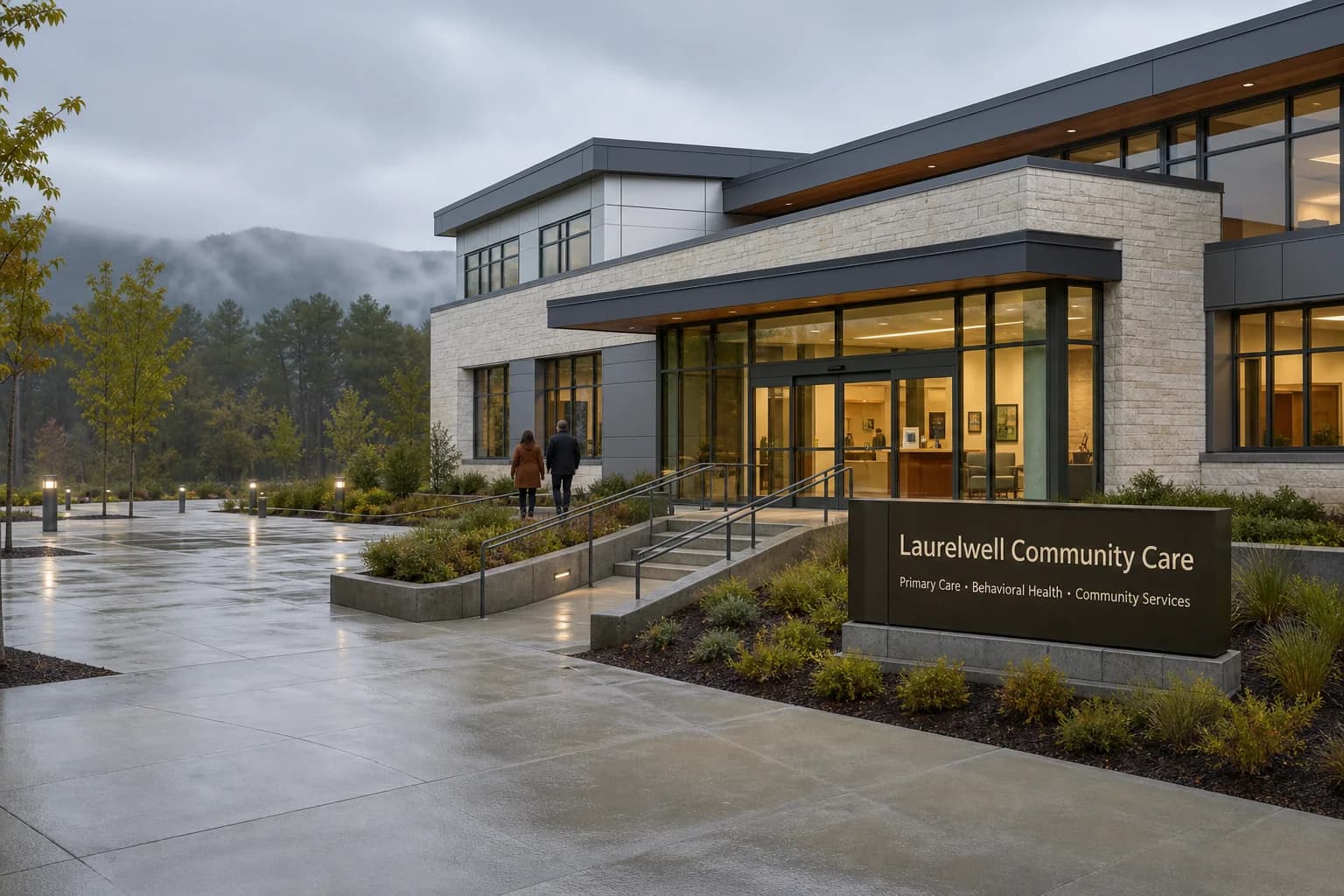
Laurelwell Community Care is a fictional healthcare network created by Avenier Group to explore how patient experience, public-facing technology, internal operations, and communications can work as one connected system.
- Fieldwork Project
- Healthcare
- Service design
- Digital experience
DiscoverFindRequestPrepareVisitFollow up
Independently created by Avenier to demonstrate our approach; not commissioned or deployed client work.
What we explored
One project. Three connected deliverables.
This page is the Fieldwork project. The public website and staff software live as separate Laurelwell-branded prototypes. Laurelwell is fictional. All people, locations, and records are demonstrative.
Patient-experience strategy
A clearer public path from first uncertainty to a recommended starting point.
Service blueprint
Patient experience, staff responsibility, supporting systems, and access requirements at every stage.
Public website direction
A fictional healthcare website organized around needs, not internal departments.
Care-request workflow
One demonstration request that carries context into staff review.
Staff coordination system
An operational view of intake, ownership, communications, and follow-up.
Patient communications
Confirmation, preparation, transportation, print, and next-step messages as one system.
Accessibility across touchpoints
Language help, mobility access, transportation, phone, and printed alternatives designed in from the start.
The challenge
Care may be nearby. The path to it can still feel far away.
Laurelwell’s services had grown across locations and programs, but the experience of reaching those services had become fragmented. Patients were expected to understand organizational structures before they could find the right path to help.
- 01Where should I go?
- 02Can this location help me?
- 03What will I need?
- 04What happens after I submit my request?
The fragmented journey
Every step works. The journey does not.
- Search
- Service page
- Phone call
- Referral
- Forms
- Visit
- Follow-up
- Service details vary between locations
- Scheduling begins online but often ends by phone
- Patients repeat information
- Referral status is difficult to understand
- Transportation information appears too late
- Follow-up depends on manual handoffs
The strategic direction
The patient does not need to understand the organization. The organization needs one connected operating model.
Patient clarity
Explain services, locations, requirements, and next steps in familiar language.
Operational continuity
Carry the right information and responsibility across every handoff.
Human support
Make phone, language, accessibility, transportation, and in-person help visible throughout the journey.
The connected journey
One patient journey. One connected operating model.
Patient-journey stages
01 / Discover
Patient experience
Understand available care and choose a starting point.
Staff responsibility
Maintain understandable service information.
Supporting system
Public healthcare website
Communication or accessibility
Plain-language descriptions and phone alternatives on first contact.
Website prototype preview
Recommended experience
The website becomes the beginning of care—not another barrier to it.
The public site, staff software, and communications share one request. Patients see a starting point. Staff see ownership. Messages stay attached to the same record.
Software prototype preview
Behind the experience
A clearer patient experience requires a clearer staff experience.
Appointments
Access needs travel with the visit, so transportation is solved before the patient arrives.
Messages
A patient’s question stays connected to the appointment and care request behind it.
Billing
Balances, payment plans, and assistance reviews sit beside the patient’s care.
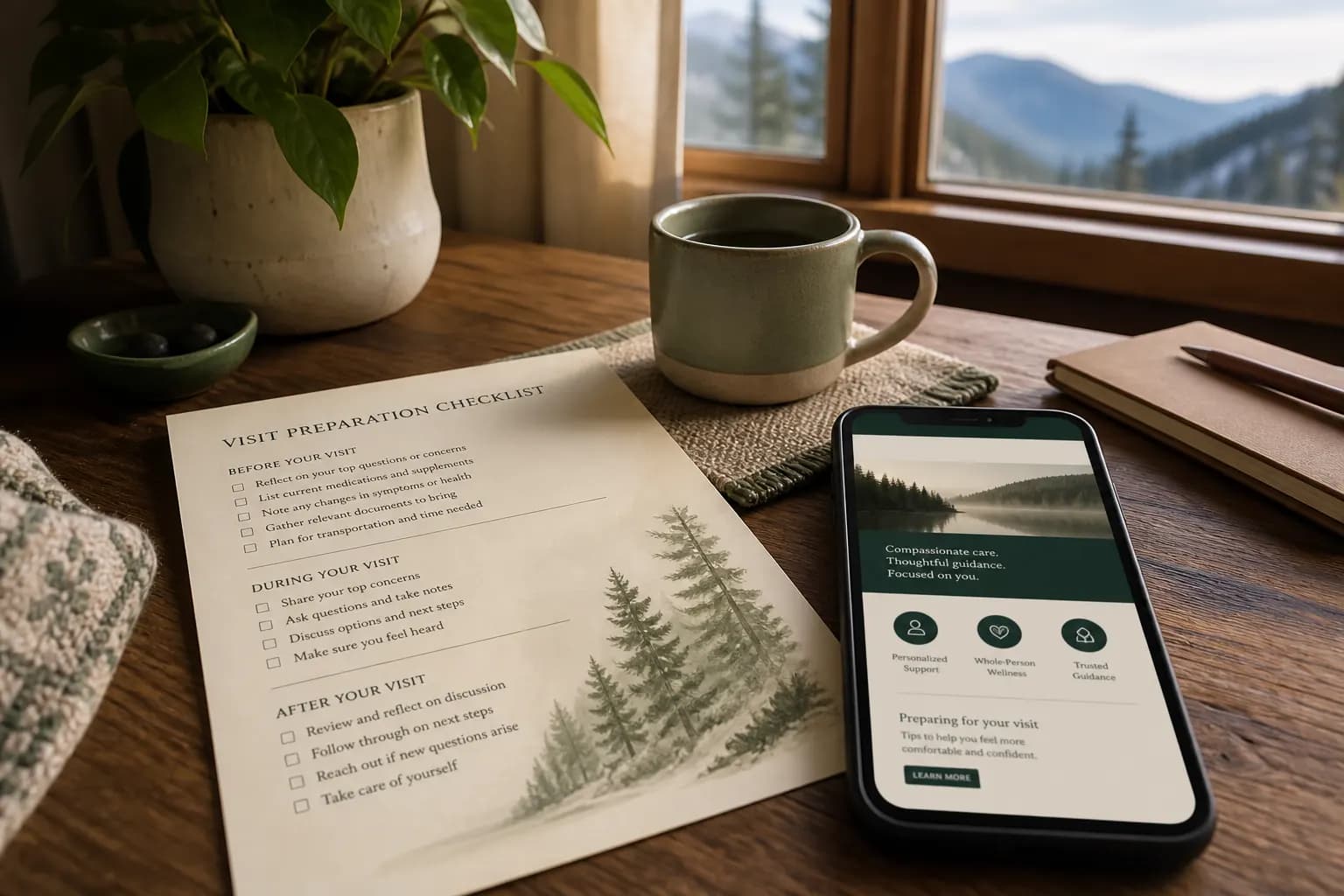
Communications
The experience continues wherever the patient needs it.
Email
Request confirmation
We received request LW-1842 for primary care at Laurelwell Central. This is not a confirmed appointment. A coordinator will contact you by phone during weekday hours.
SMS
Reminder
Laurelwell: your request LW-1842 is being reviewed. Reply HELP for the access line. If this is an emergency, call 911.
Checklist
Visit preparation
Bring a photo ID if you have one, a medication list, and questions for the visit. Language assistance has been noted.
Guide
Transportation
Laurelwell Central is on the illustrative valley transit loop. Accessible parking is marked at the covered entrance.
Print
Printed visit guide
Same service, same location, same preparation list—written for people who prefer paper or need a companion copy.
Follow-up
Next steps
After the visit, outstanding actions stay assigned. You receive one set of instructions, not a new set from each department.
Access by design
Access was designed into the journey—not added after it.
- Plain-language service descriptions
- Keyboard navigation through every prototype
- Screen-reader-friendly form structure
- Strong contrast and visible focus states
- Large touch targets
- Language assistance requested before the visit
- Mobility-access information shown early
- Transportation details before the request is sent
- Save-and-return as a designed concept
- Phone and in-person alternatives on every screen
- Clear emergency-care routing to 911
From scattered steps to one carried request.
Before
- Search multiple service pages
- Call to confirm basic information
- Repeat information
- Unclear referral status
- Separate reminders and instructions
- Follow-up depends on manual memory
Connected direction
- Guided care discovery
- Location and access details shown early
- One request carried through the workflow
- Visible status and responsibility
- Coordinated communication
- Assigned next steps and follow-up tracking
Explore the prototypes
See both sides of the connected experience.
Public website prototype
A clearer beginning for patients.
Explore a fictional healthcare website designed to help people understand their options, find an appropriate starting point, locate care, and request help without navigating internal department structures.
Launch website prototypeStaff software prototype
A clearer operating view for staff.
Explore the fictional operational system behind the patient experience, including request intake, routing, responsibility, communications, preparation, and follow-up.
Launch software prototypeIntended impact
Proposed capabilities—not measured client results.
The proposed direction is designed to support these capabilities. They are not measured results from a real healthcare organization.
- A clearer route to the appropriate service
- Less uncertainty before requesting care
- More complete information for staff review
- Consistent preparation instructions
- Better visibility across handoffs
- Accessible digital and non-digital options
- A reusable foundation for future services
Project scope
Fieldwork Project
Patient journey, service blueprint, content direction, and operating model
Website prototype
Care discovery, services, locations, accessibility, and request flow
Software prototype
Intake routing, responsibility, preparation, communications, and follow-up
Communications system
Email, SMS, print, transportation, preparation, and next-step materials
Care should feel closer.
Your patient journey may look different. The disconnects probably feel familiar.
Avenier helps healthcare organizations clarify the experience, connect the systems behind it, and build practical technology around the people who use it.
Independently created by Avenier to demonstrate our approach; not commissioned or deployed client work.