Who we serve
A city doesn’t operate like a health system. A manufacturer doesn’t work like a growing business. We learn the organization before we prescribe the technology.



How we think
We don’t startwith technology.
Before recommending a platform, redesigning a website or building software, we learn how the organization actually works — the people involved, the pressures they face, the processes they depend on and the technology already in place.
A city department and a growing retailer may both need better technology. That doesn’t mean they need the same answer.
01
People
Who is doing the work, receiving the service or depending on the outcome?
02
Organization
How is responsibility structured? Where are decisions made?
03
Process
How does the work actually move from beginning to end?
04
Technology
What should be kept, improved, connected, replaced or built?
The organizations
Seven environments.Seven ways of working.
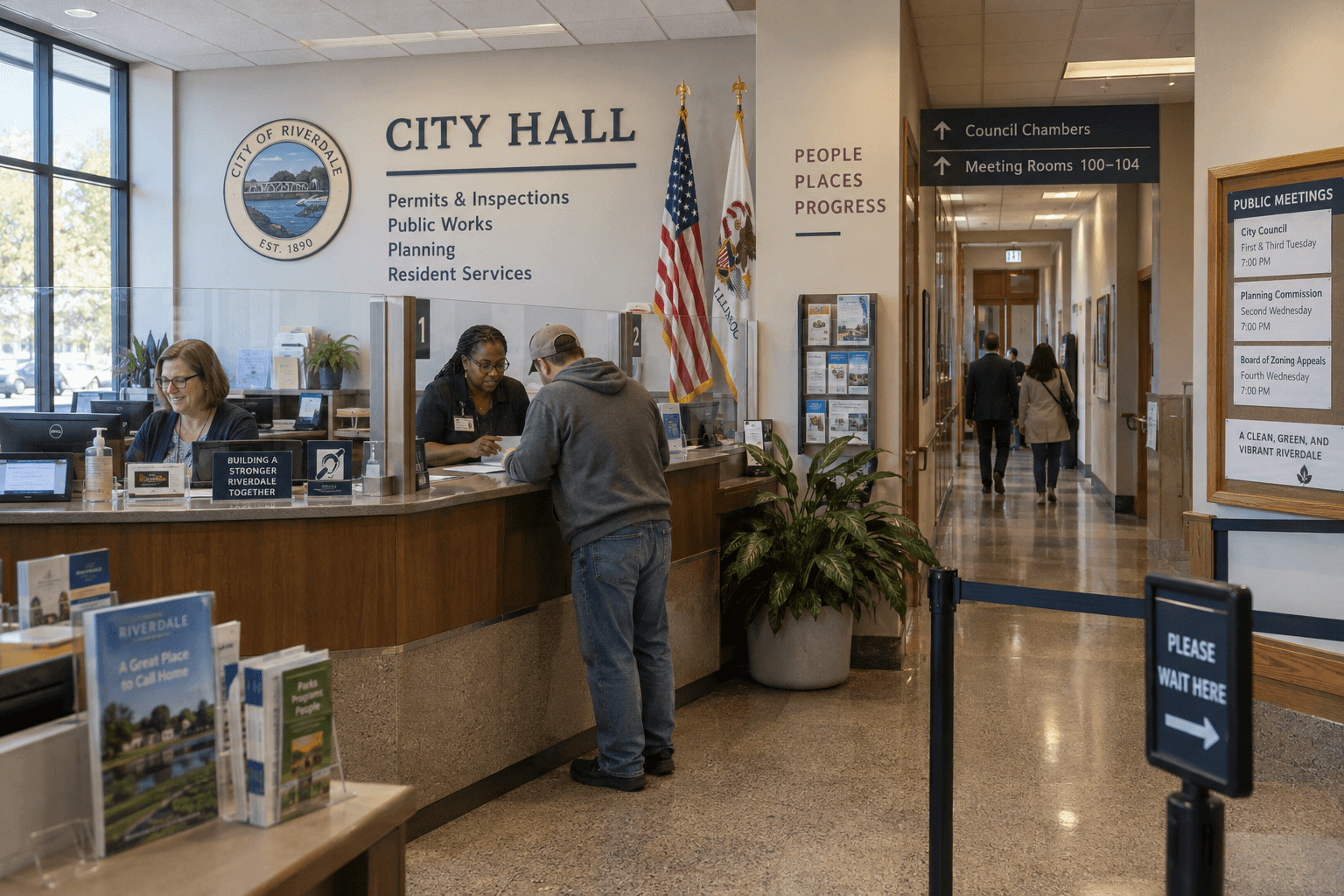
01 / 07 Municipal Government
MunicipalGovernment
The pressure
Public expectations move faster than procurement cycles, internal systems and aging digital infrastructure.
What we look at
- Resident experience
- Accessibility
- Department workflows
- Legacy systems
- Public information
- Internal ownership
- Service delivery
Where Avenier can help
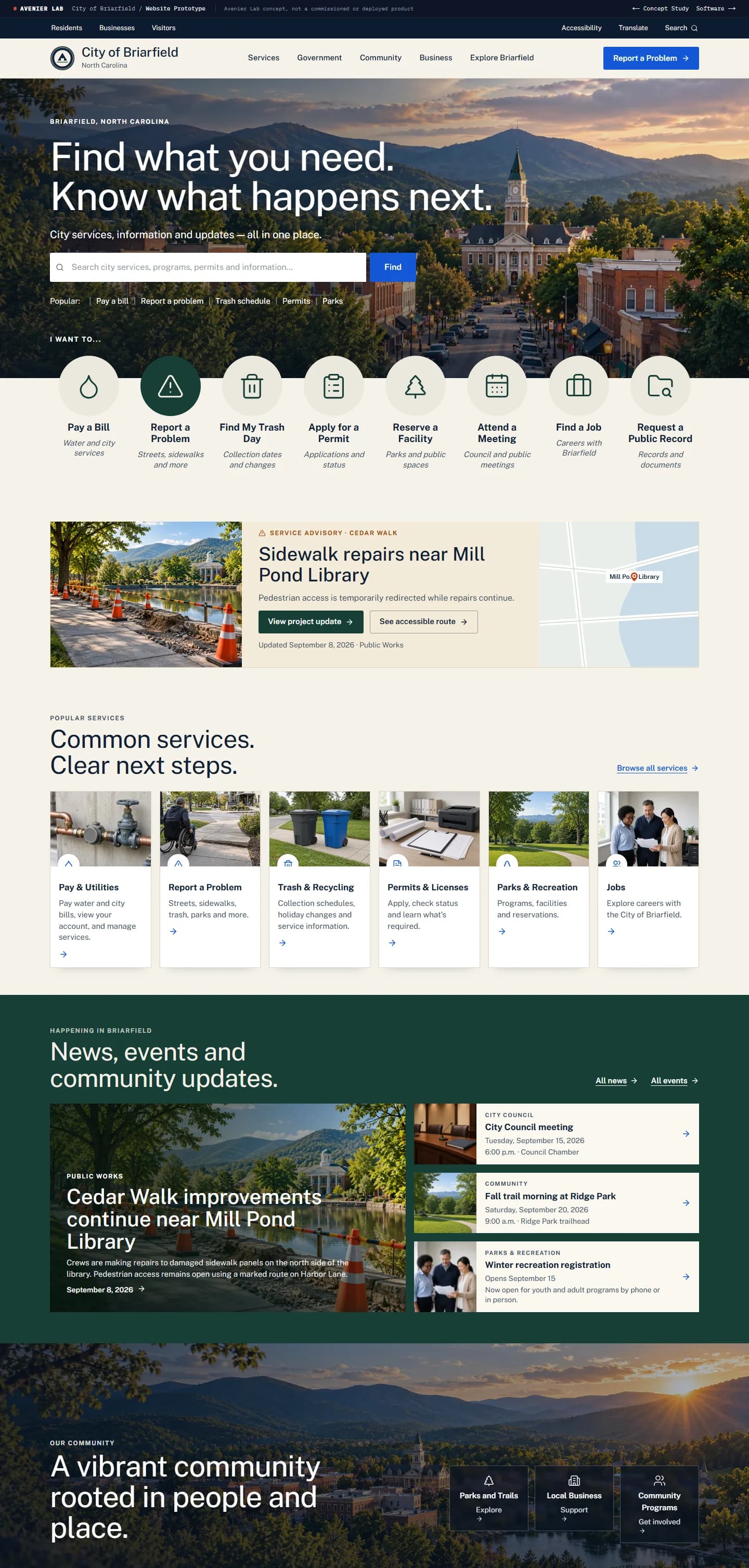
City of Briarfield Concept Study
Explore the municipal concept02 / 07 Healthcare
Healthcare
The pressure
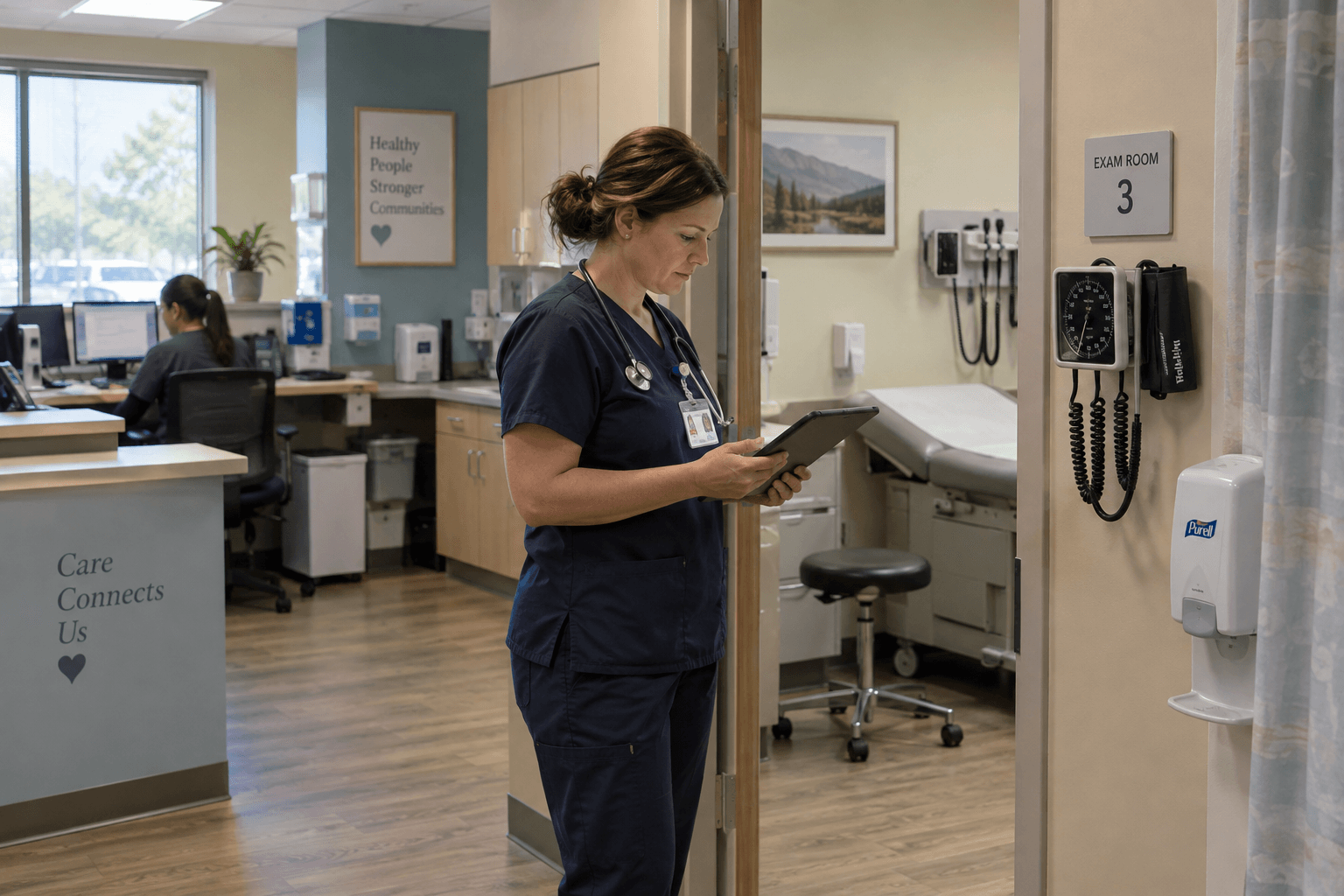
Access, trust, compliance and operational complexity all meet at the same point: the patient experience.
Where Avenier can help


What we look at
- Patient access
- Care navigation
- Privacy and security
- Scheduling
- Communication
- Staff workflows
- Fragmented systems
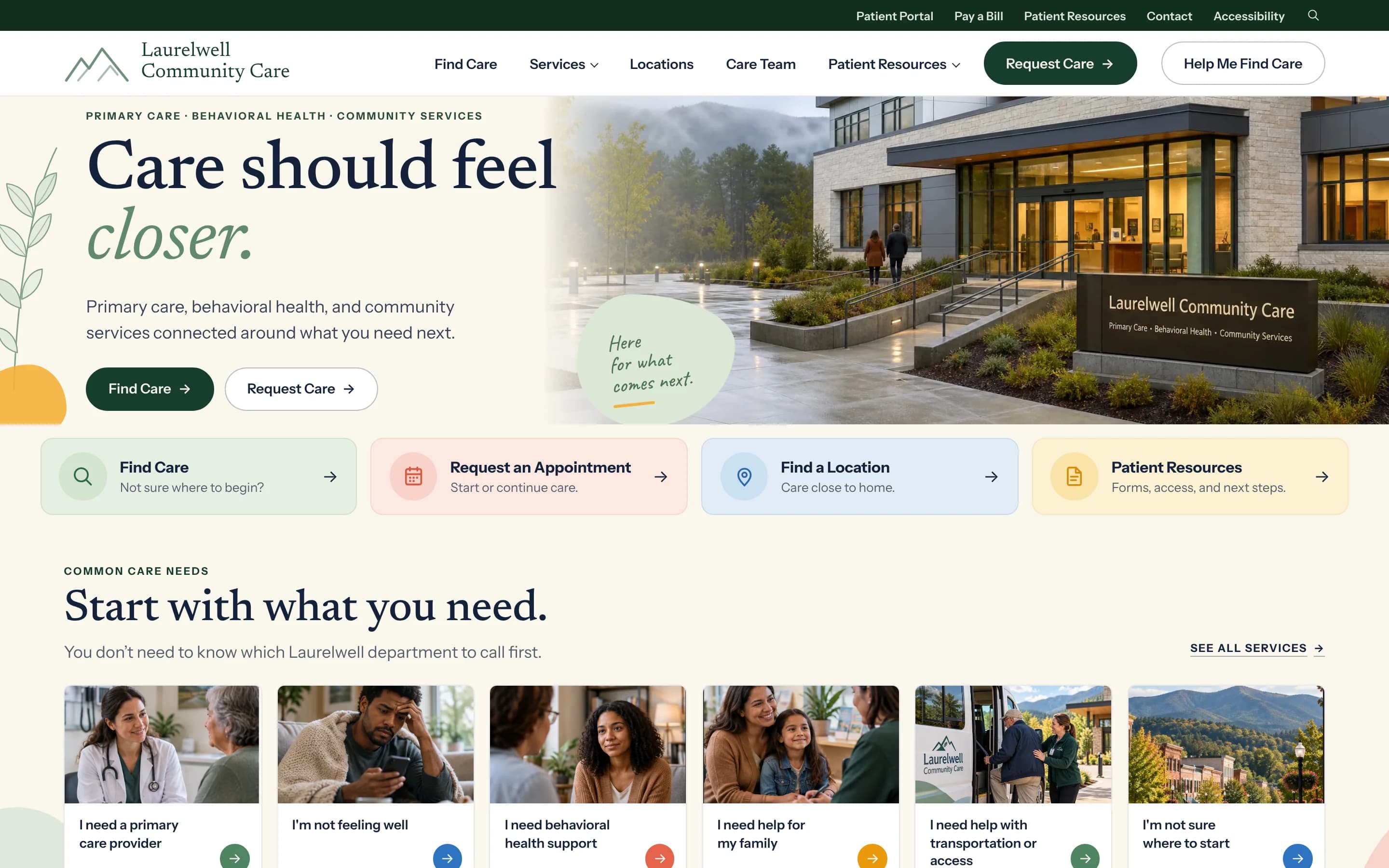
Laurelwell Health Concept Study
Explore the healthcare concept03 / 07 Nonprofit
The pressure
The mission is large. Capacity often isn’t.

What we look at
- Community access
- Program navigation
- Staff capacity
- Volunteer coordination
- Donor experience
- Resource delivery
- Operational overhead
Where Avenier can help
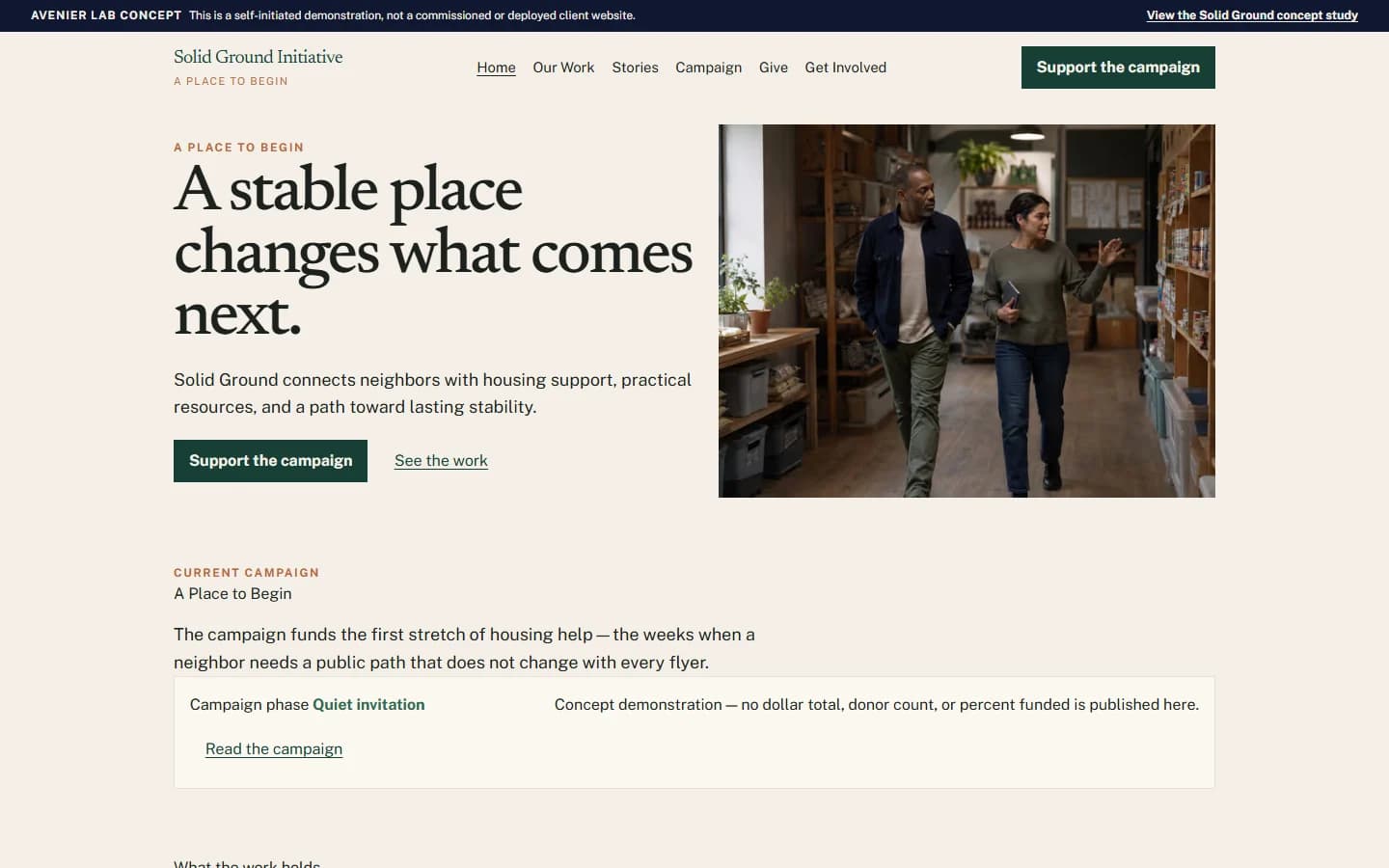
Solid Ground Initiative Concept Study
Explore the nonprofit concept04 / 07 Small & Mid-Size Business
Small &Mid-Size Business
The pressure
Growth creates complexity long before most organizations are ready to call it complexity.

What we look at
- Customer experience
- Sales processes
- Internal workflows
- Manual work
- Disconnected tools
- Commerce
- Scalability
Where Avenier can help
05 / 07 Logistics & Manufacturing
Logistics &Manufacturing
The pressure
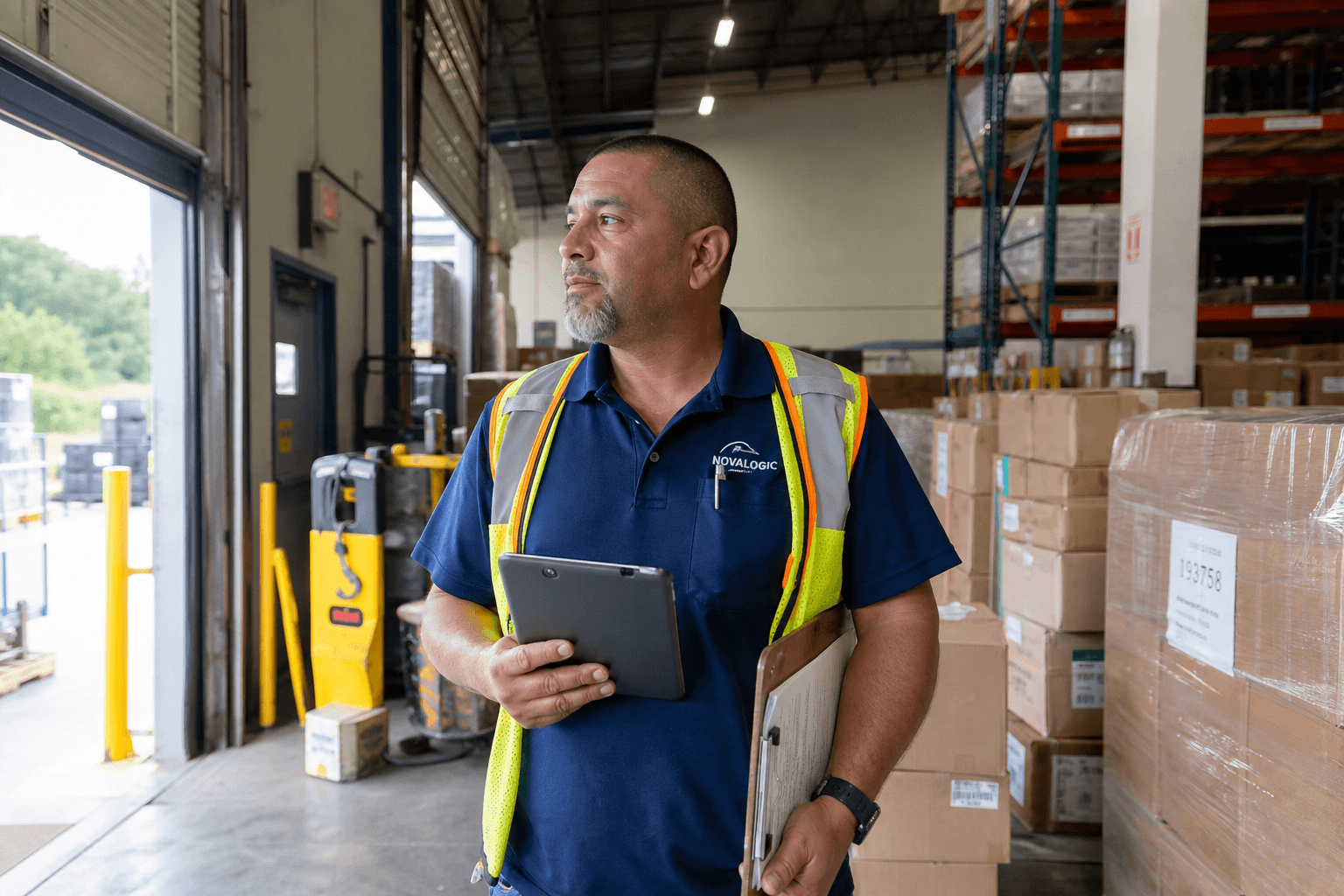
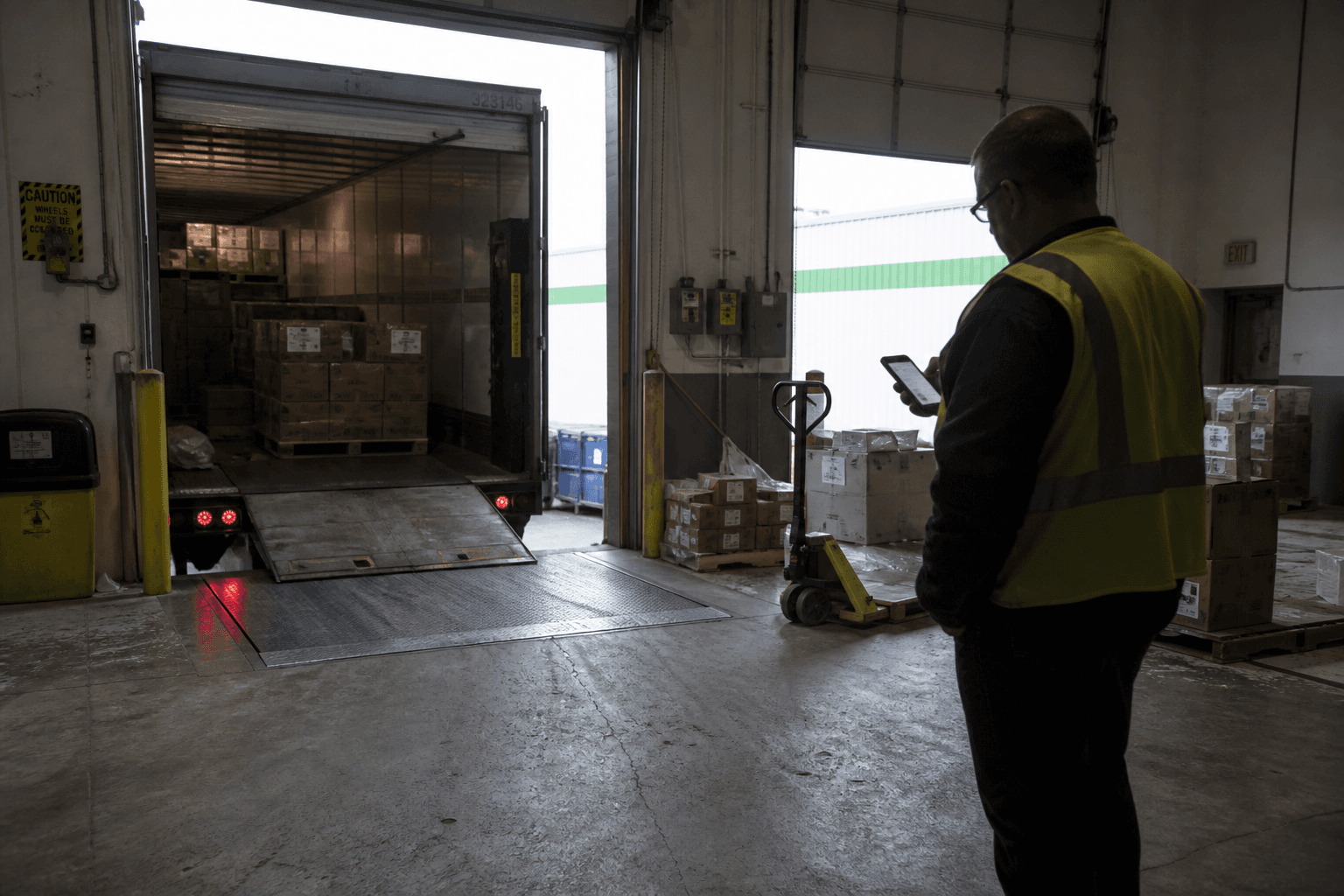
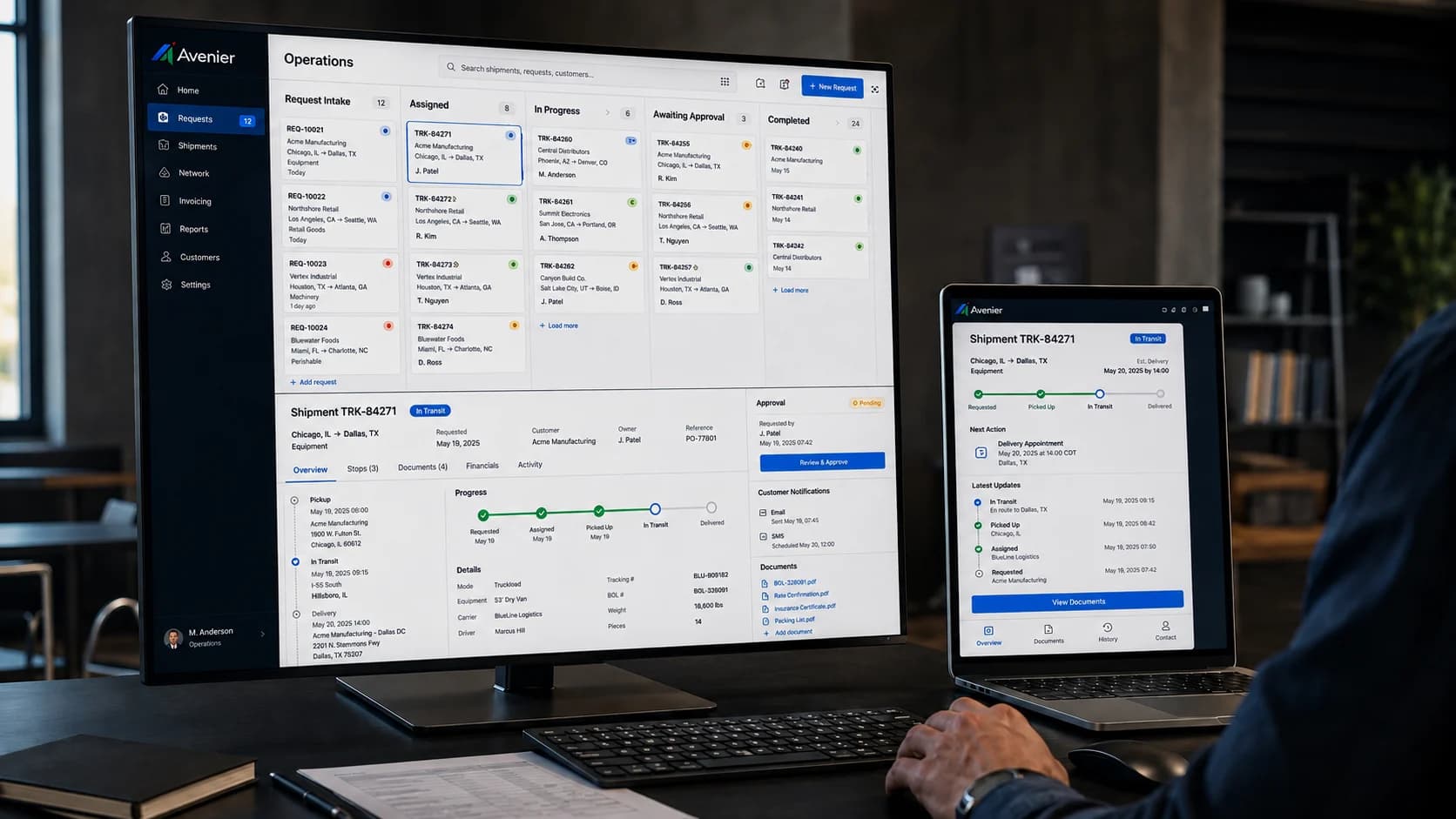
When operations depend on timing, visibility and coordination, small technology gaps become expensive operational problems.
What we look at
- Operational workflows
- Scheduling
- Inventory
- Handoffs
- Field operations
- Data visibility
- Disconnected systems
Where Avenier can help
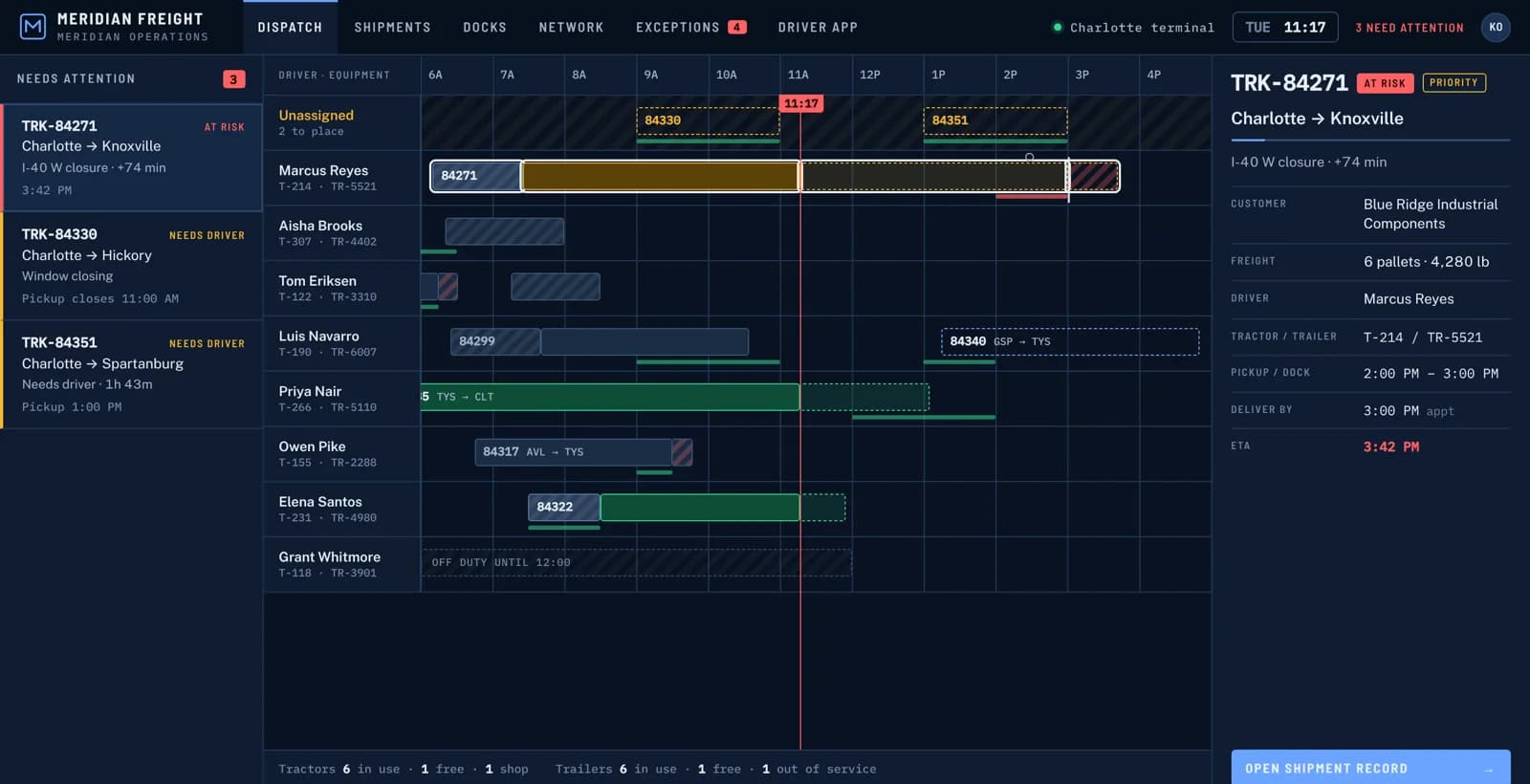
Meridian Freight Concept Study
Explore the logistics concept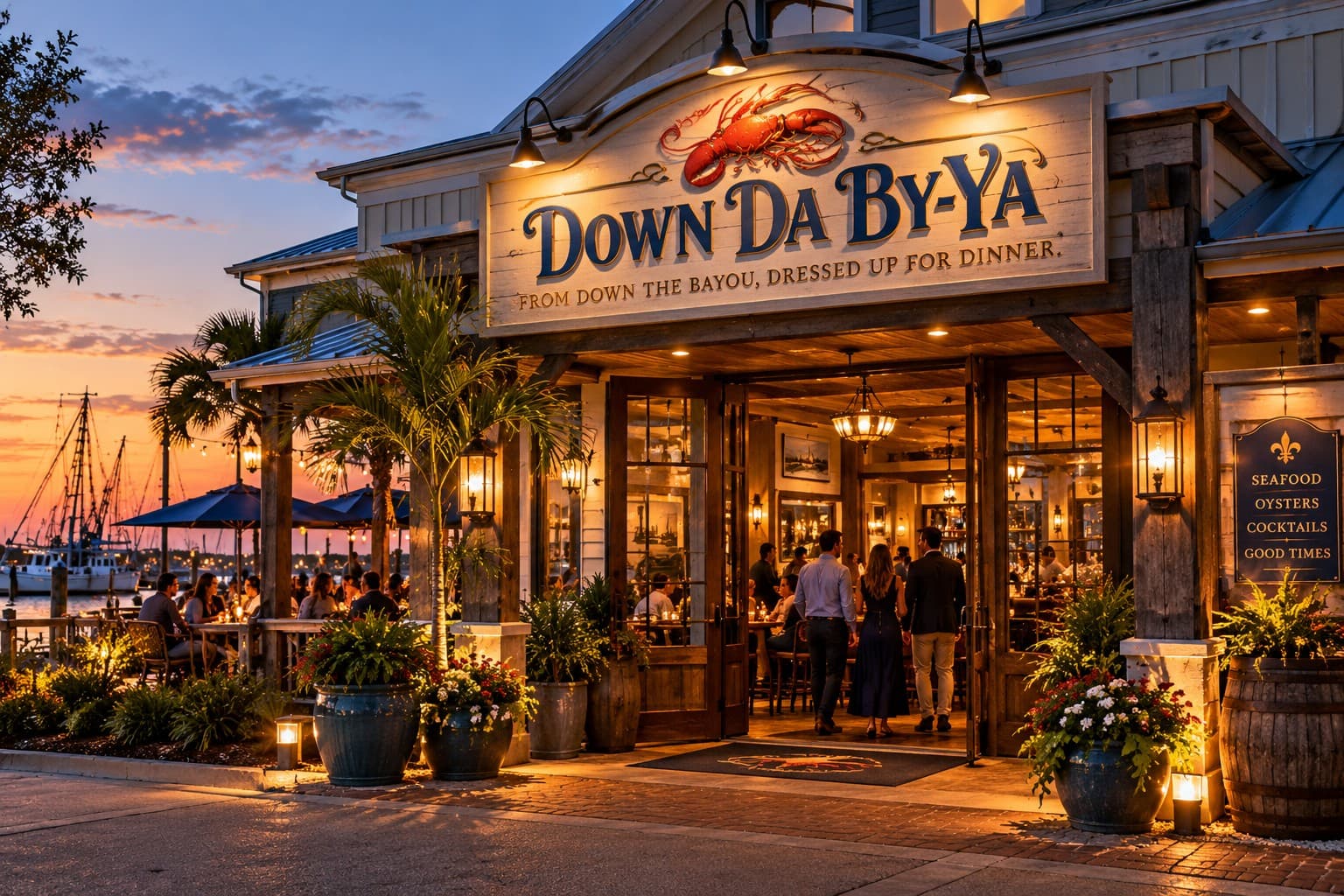
06 / 07 Hospitality & Tourism
Hospitality &Tourism
The pressure
The experience begins long before a guest arrives — and continues long after they leave.
What we look at
- Discovery
- Booking
- Guest communication
- On-site experience
- Brand consistency
- Operations
- Reputation
Where Avenier can help

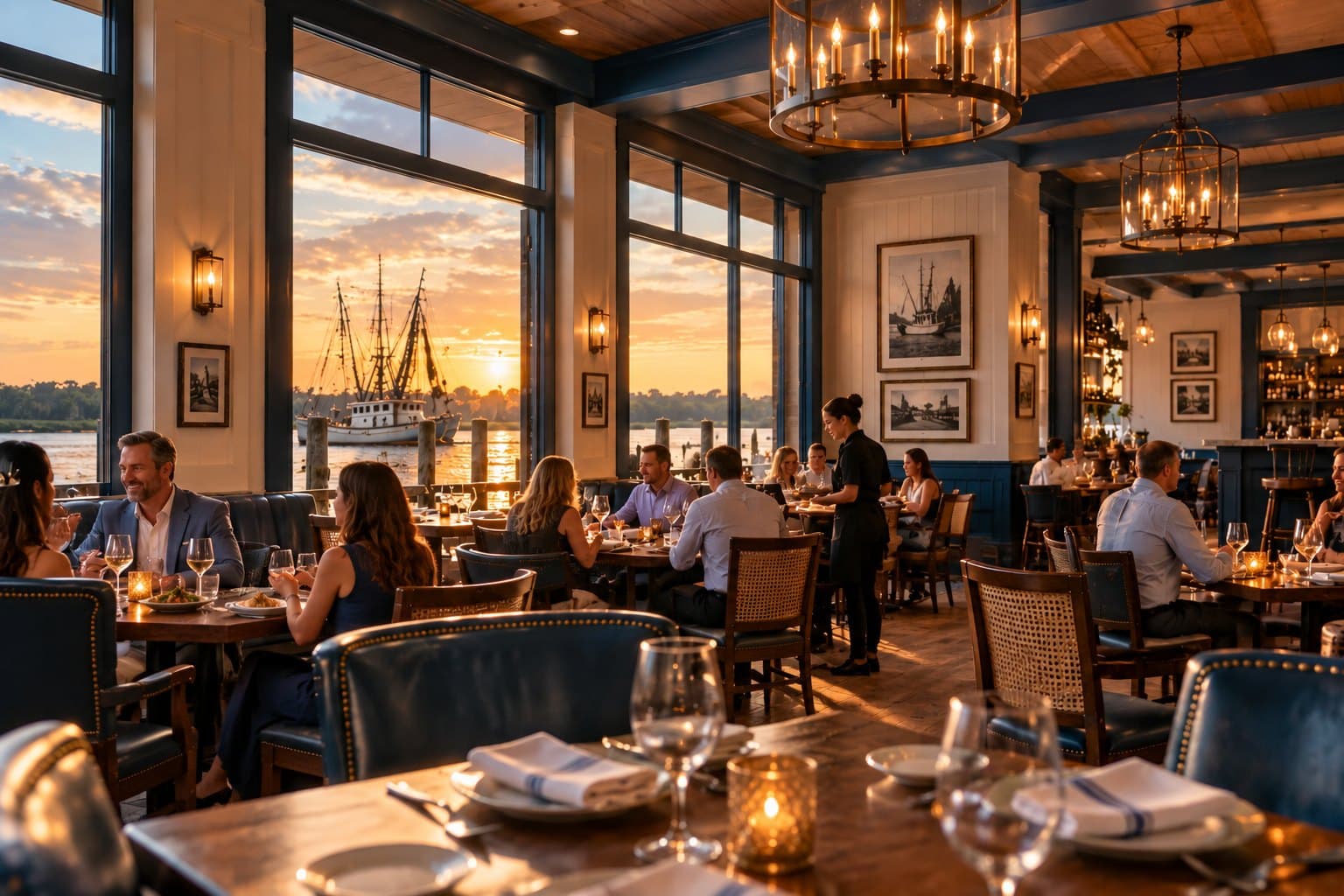
Down Da By-Ya Concept Study
Explore the hospitality concept07 / 07 Retail & Restaurant
Retail &Restaurant
The pressure
Customers experience the brand as one system even when the organization manages it through many.


What we look at
- Commerce
- Ordering
- Customer experience
- Physical environment
- Brand communication
- Operations
- Digital touchpoints
- Repeat engagement
Where Avenier can help
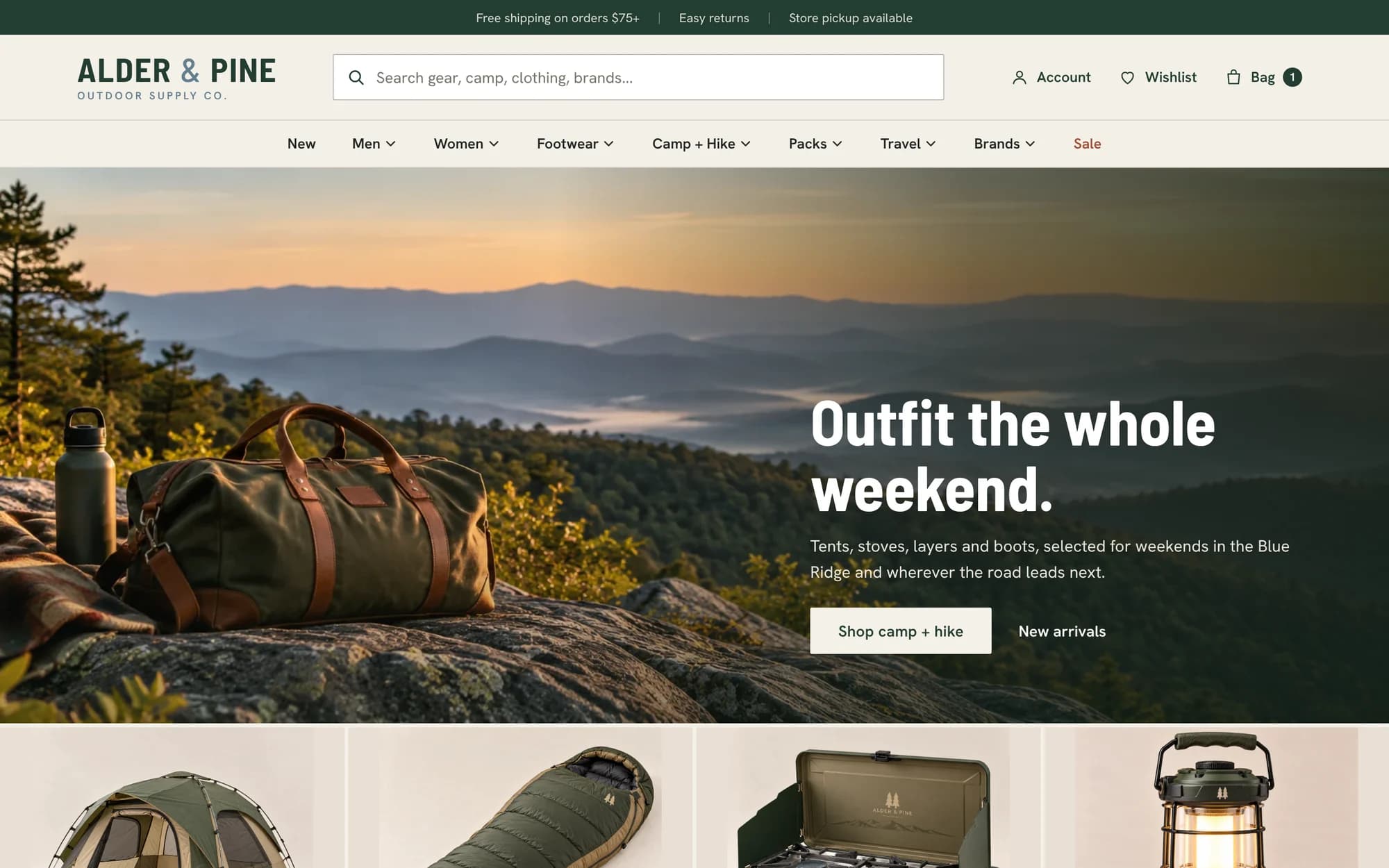
Alder & Pine Outfitters Concept Study
Explore the retail conceptWhat we see across industries
Different environments.Familiar problems.
The context changes. Many of the underlying problems don’t.
Disconnected systems
Each tool made sense when it was bought. Together, no one can see the whole picture.
Manual work that grew quietly
A spreadsheet, a workaround, one person who knows how. Over time it became the process.
Unclear ownership
When no one owns a system or a page, it slowly stops being right.
Websites that no longer reflect the organization
The organization changed. The site stayed where it was.
Information people struggle to find
The answer exists. Getting to it takes a phone call.
Technology decisions made without a larger direction
Sensible purchases that add up to something no one chose.
How we help
The organization comes first.The work follows.
Consult
Understand the environment, identify the pressure points and decide what deserves attention first.
- Technology Direction
- Digital Strategy
Build
Turn the direction into useful digital experiences and operational tools.
Support
Keep the technology working and the organization communicating clearly.
Avenier Lab
See the thinkingin context.
Independent Avenier Lab concept studies for fictional organizations. They show how we think and design; they are not client work.
- 01 · MunicipalCity of BriarfieldOne resident concern, followed from the public website through internal operations and back.Explore the study
- 02 · HealthcareLaurelwell HealthPatient experience, staff operations and communications working as one system.Explore the study
- 03 · NonprofitSolid Ground InitiativeA supporter journey from campaign story to giving, confirmation and stewardship.Explore the study
- 04 · Retail / EcommerceAlder & Pine OutfittersCommerce across screen, store and fulfillment, connected to the operation behind it.Explore the study
Tell us how yourorganization works.We’ll start there.
We begin with your people, pressures and processes. Tell us what’s changing, what’s getting in the way and what you’re trying to make possible.